Quely now works with Linear, Azure DevOps, Monday, and more
By Onyi N. — Product Marketing Manager
Quely now supports work from Jira, Linear, Azure DevOps, GitHub, Monday, Trello, and Todoist. This means more product and engineering teams can use Quely to keep everything surrounding their work in one place, regardless of which project-management tool they use.
Adding more integrations was never the end goal. It is how we help more teams reduce context loss, information fragmentation, and work-about-work, regardless of the system they use to manage their tasks.
A ticket can show a task’s status without explaining what is actually happening.
Most engineering work begins with a ticket, but the ticket rarely contains the complete record of the work. The initial requirement may be documented properly, but a conversation changes the scope later. You may discuss a technical trade-off in Slack, or make a product decision in a meeting, or another team identifies a dependency. Although each piece of information exists somewhere, it often never makes it back to the task.
As a result, your project management tool may show that an item has been In Progress for several days without explaining whether someone is actively working on it, waiting for a review, blocked by another team, or waiting for a decision. To understand what is actually happening, an engineering manager may still need to send a message, inspect a pull request, search past conversations, contact another team, or schedule a meeting.
The same problem affects decisions. Your team may compare several approaches before selecting one, yet the ticket records only the final choice. The alternatives they considered, the trade-offs they discussed, and the reasons they rejected other options remain in a meeting, a Slack thread, or the memories of the people involved. When the issue comes up again months later, the team often repeats the same discussion because the original reasoning is difficult to find.
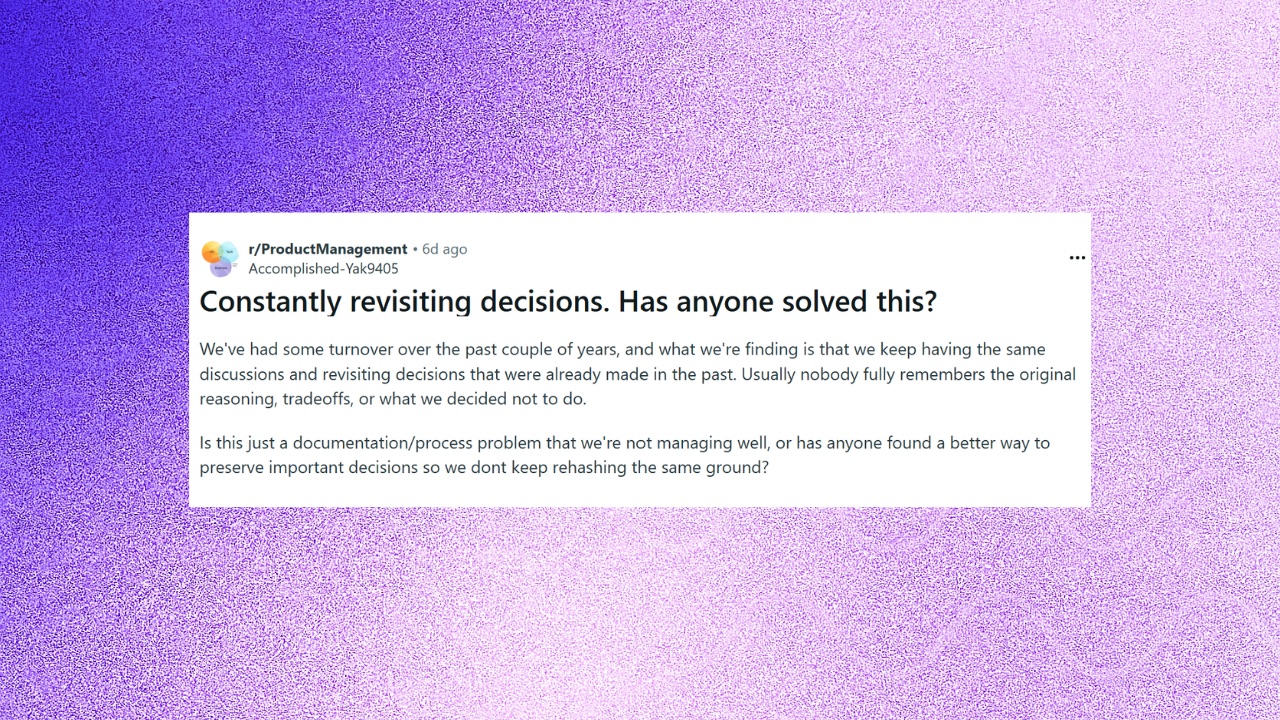
Over time, someone compensates for these gaps. It may be an engineering manager who knows where the latest update is, a senior engineer who remembers why an approach was abandoned, or a product manager who can explain whether a task marked Done actually reached production. When the ticket, pull request, release tracker, and Slack updates all show different states of the work, that person has to trace the task across several systems before they can answer a basic question such as, “Has this actually shipped?”
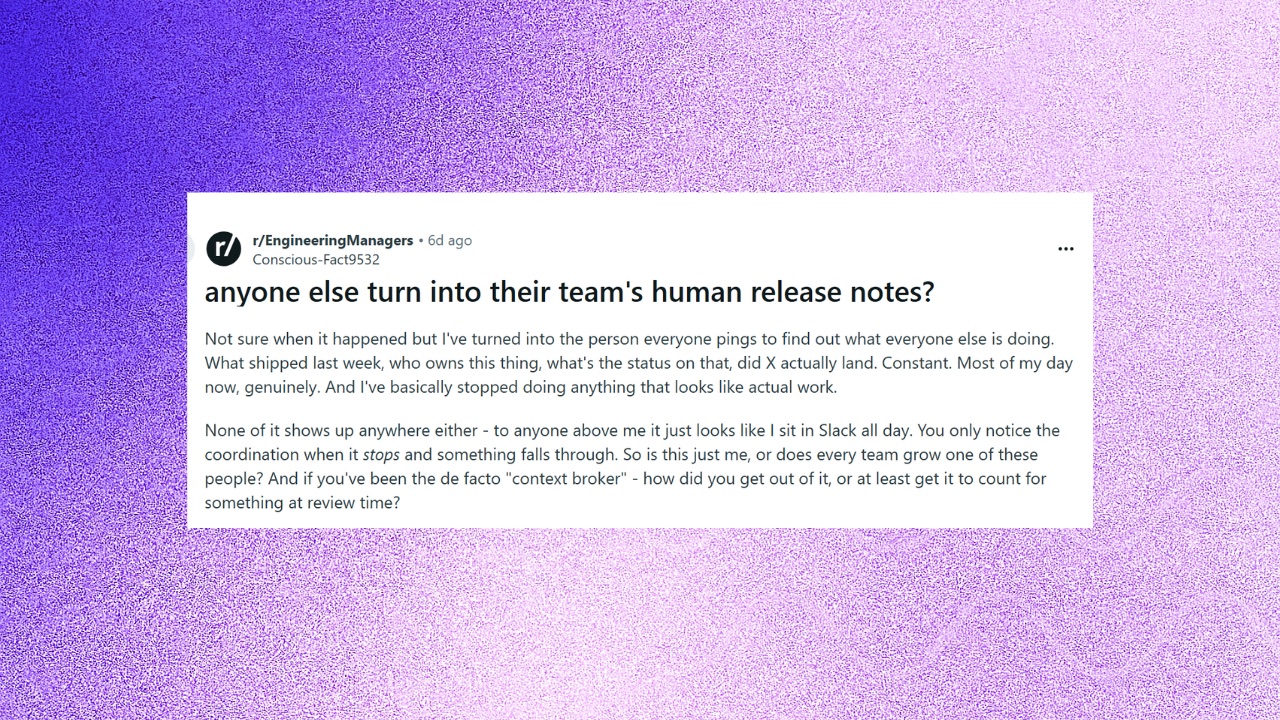
This is where the cost begins to show up in delivery. Engineers start with incomplete or outdated information, settled decisions are reopened, blockers remain hidden for longer, and managers spend time reconstructing what happened instead of helping the team move forward.
Quely solves this by giving each task, project, or related group of tasks a Space where the work item sits alongside the documents, meeting records, conversations, decisions, scope changes, dependencies, and updates that explain it.
Quely’s AI assistant, Orbit, reads across everything in that Space. This allows engineers to quickly understand what changed and why, while engineering leaders can see whether work is moving, where a team is waiting, and which decisions or dependencies may affect delivery.
By expanding support beyond Jira to Linear, Azure DevOps, GitHub, Monday, Trello, and Todoist, we are making this benefit available to more teams. This includes organizations where different teams contribute to the same initiative while managing their work in different project-management tools.
Each team can continue working in the tool it already uses, while Quely provides one shared place to understand the work across them.
To make this easier to experience, we have created an interactive demo to show you how you can bring related work from different tools into one Quely Space, collaborate around it, and keep everything needed to understand and move the work forward in one place.
Find more Quely articles
Choose Quely as a preferred source in Google Search.
Prefer Quely on Google